Nastrotek

Notes

Mochi robot development notes

Firmware

Designing an Emotion State System for the Mochi Robot
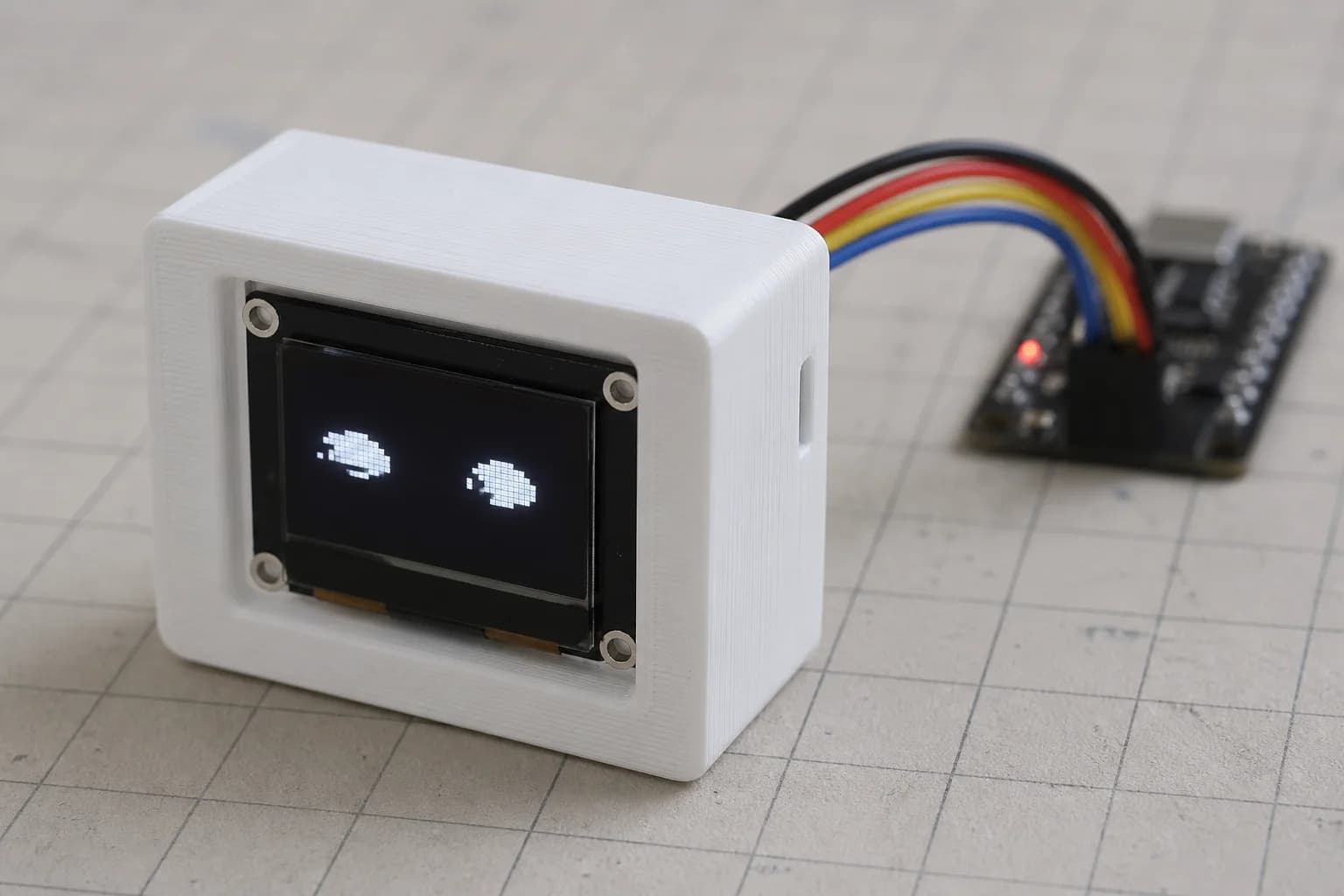
Original OLED prototype displaying a simple face during firmware experiments

Build a Mochi Robot emotion state machine for idle, listening, talking, happy, sad, thinking, and error states with replaceable animations.

Hardware

Complete Hardware Architecture for an ESP32-S3 Mochi Robot

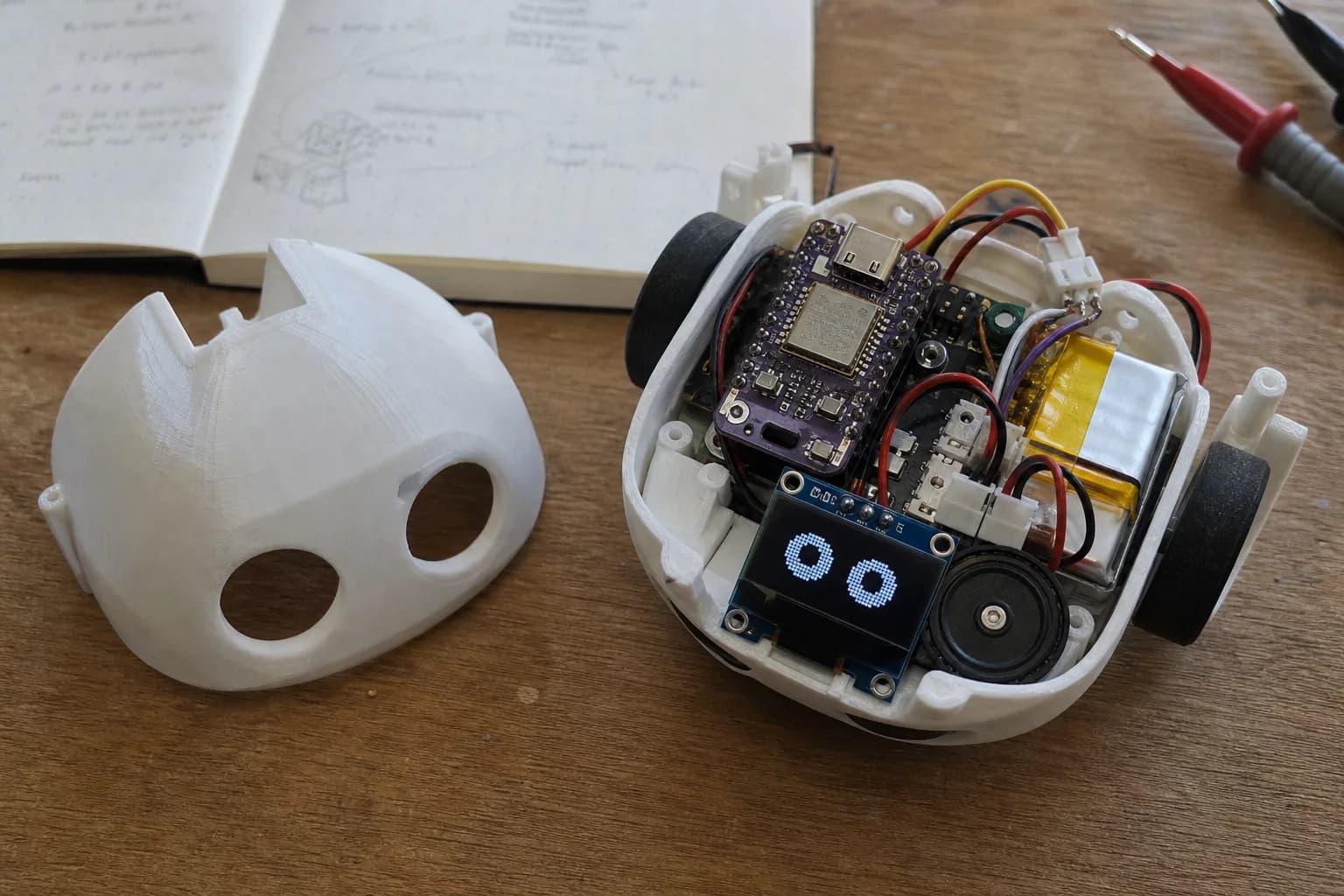
Opened Mochi prototype showing the controller, display, wiring and 3D-printed enclosure used during early hardware experiments

A practical breakdown of ESP32-S3 Mochi Robot hardware: display, touch, I2S microphone, amplifier, speaker, battery, charging, and GPIO.

Embedded UI

LVGL and Mochi Robot: Building Emotional Interfaces for Embedded Devices - Part 1: The Power of LVGL in UI/UX Programming

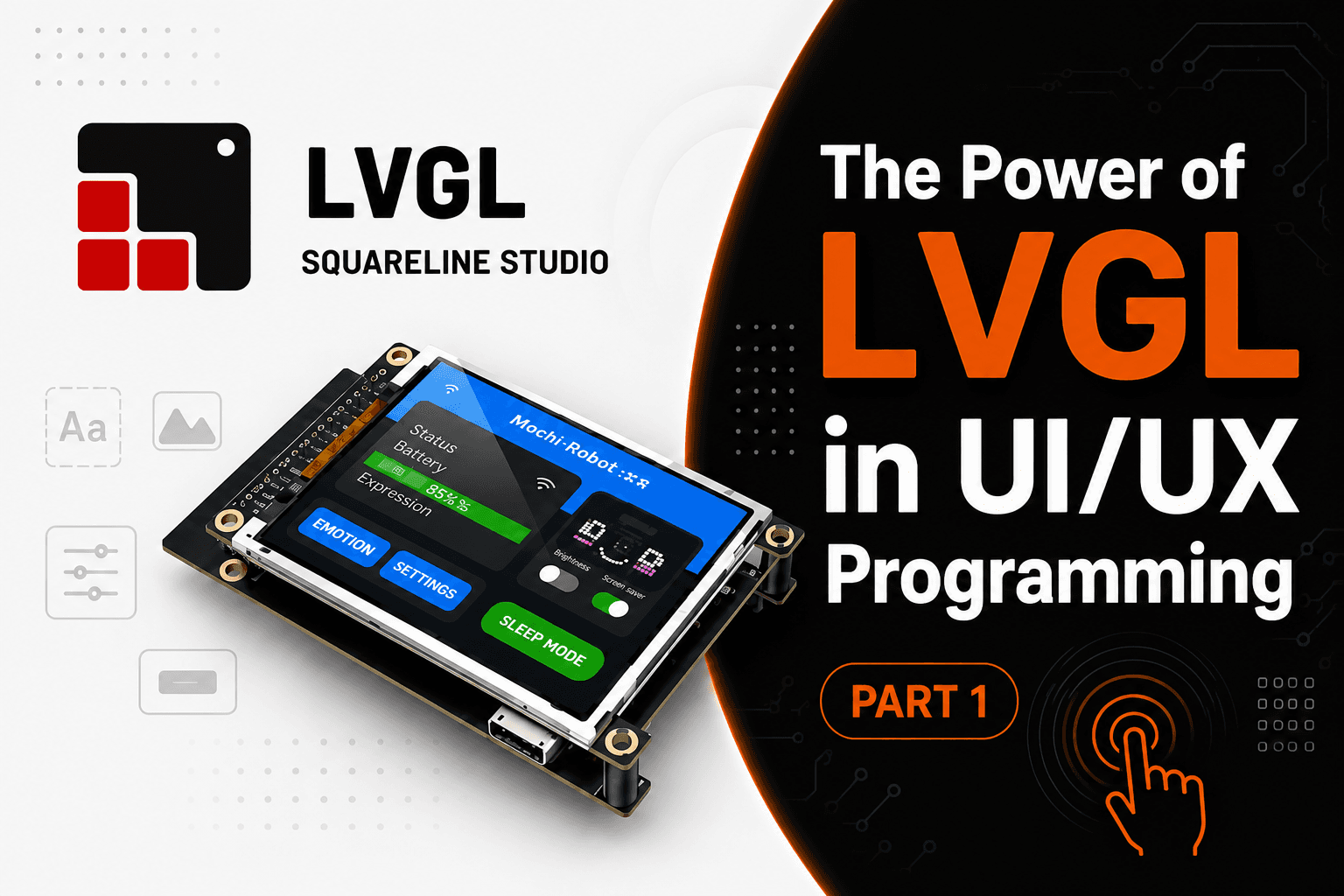
Mochi robot face interface on a small embedded display built with LVGL

How LVGL helps build emotional interfaces for Mochi Robot, including expressions, menus, battery status, and UI on small embedded displays.

Hardware

LVGL and Mochi Robot: Building Emotional Interfaces for Embedded Devices - Part 2: Mochi & LVGL

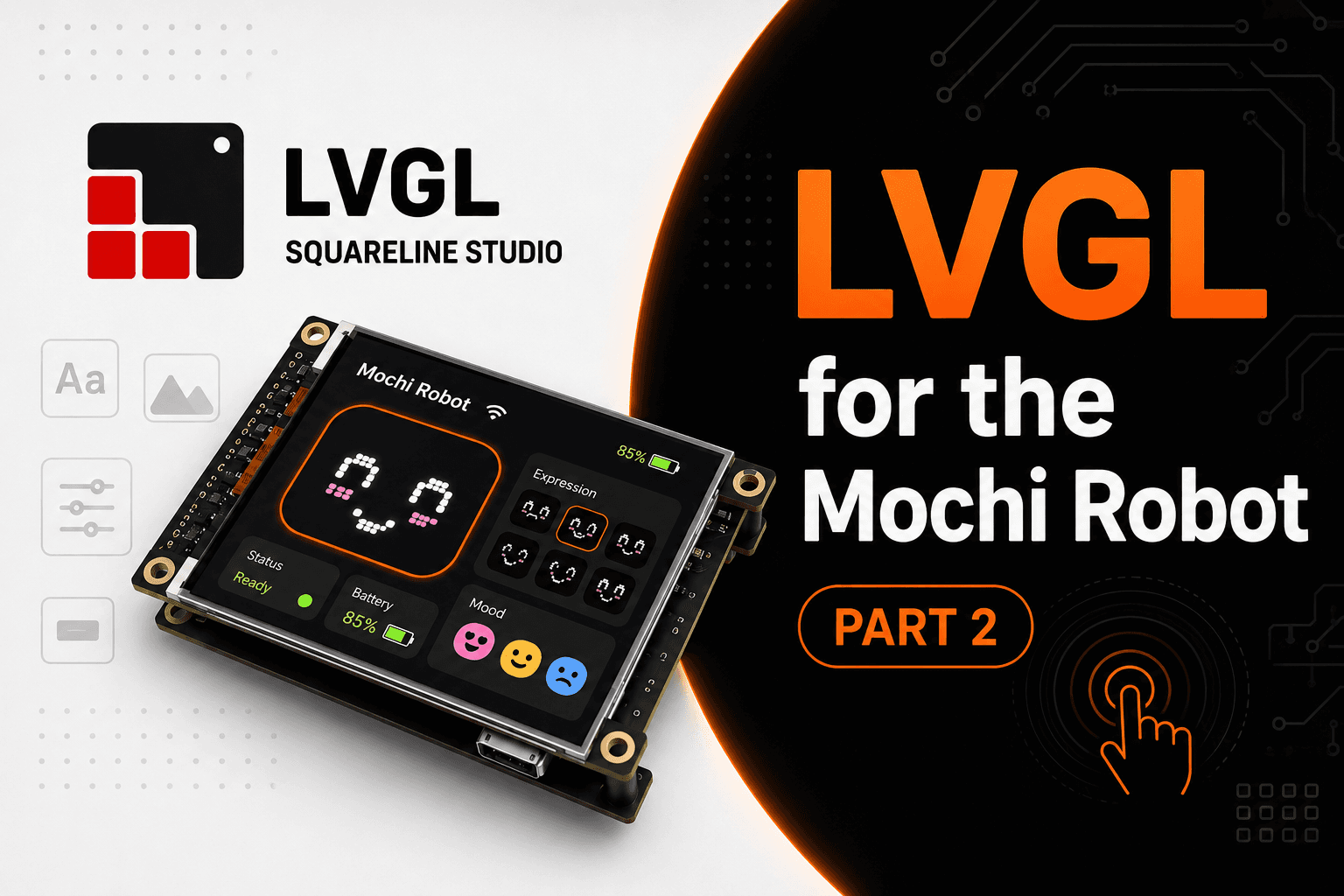
LVGL interface flow for Mochi robot emotional states and screen animations

Part 2 of the Mochi LVGL series, covering faces, expressions, battery status, connectivity, screens, components, and UI states.

Product Design

Mochi Devlog 01: Early Development

Opened Mochi prototype showing the wiring and enclosure compromises from early development

The first Mochi devlog: early hardware questions, first firmware decisions, and what already went wrong.

Product Design

What Is Mochi?

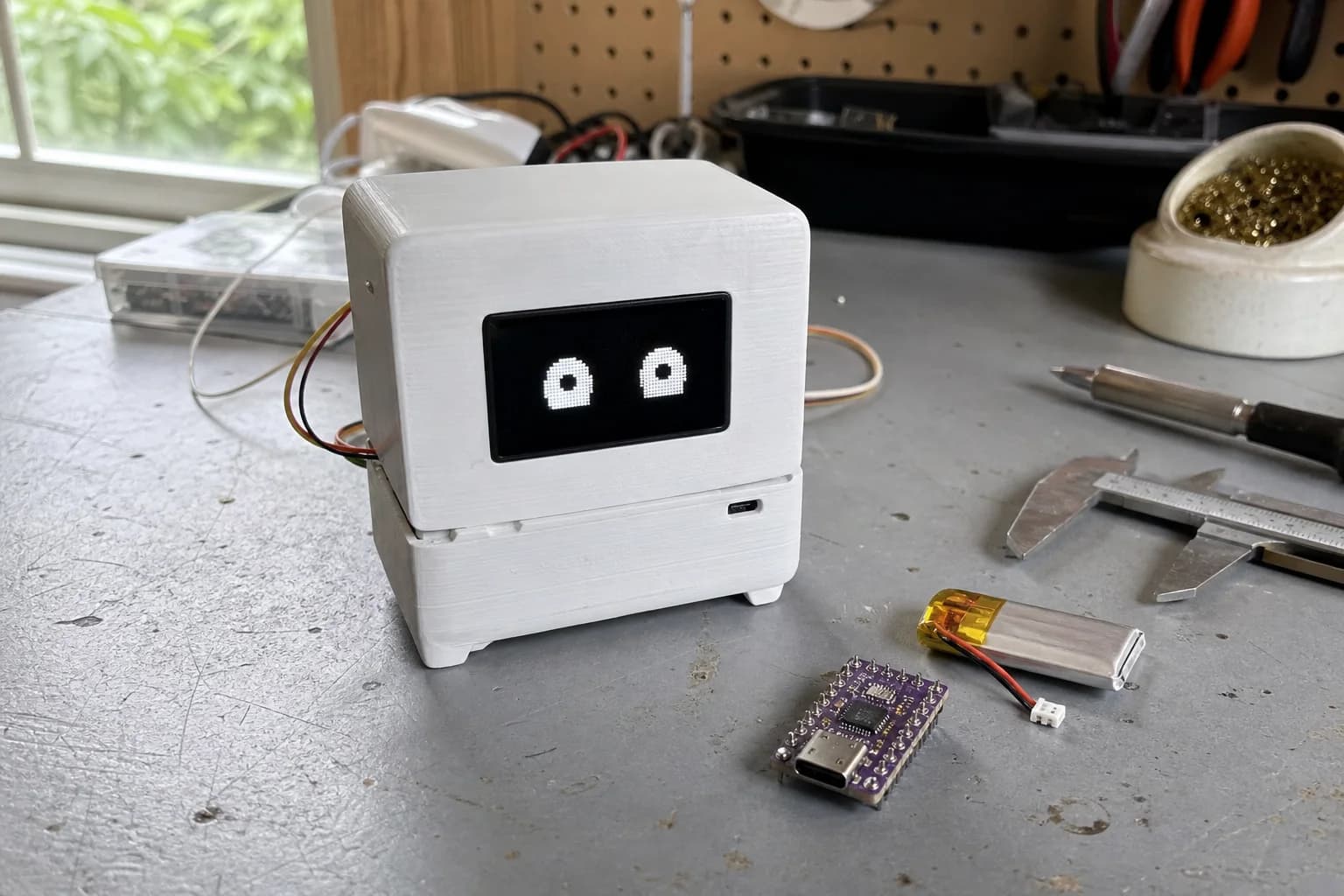
Original Mochi workshop prototype with a 3D-printed enclosure and OLED face

A short introduction to Mochi, a small robot developed as an exercise in hardware, firmware, and product experience.

Nastrotek uses cookies for analytics and ad personalization to help us understand how the site is used. You can accept or decline non-essential cookies.